
IRON as Essential Nutrient: Anemia, Nobel Prizes, and Vivisection Lies
How Popeye’s Spinach became labeled “toxic”

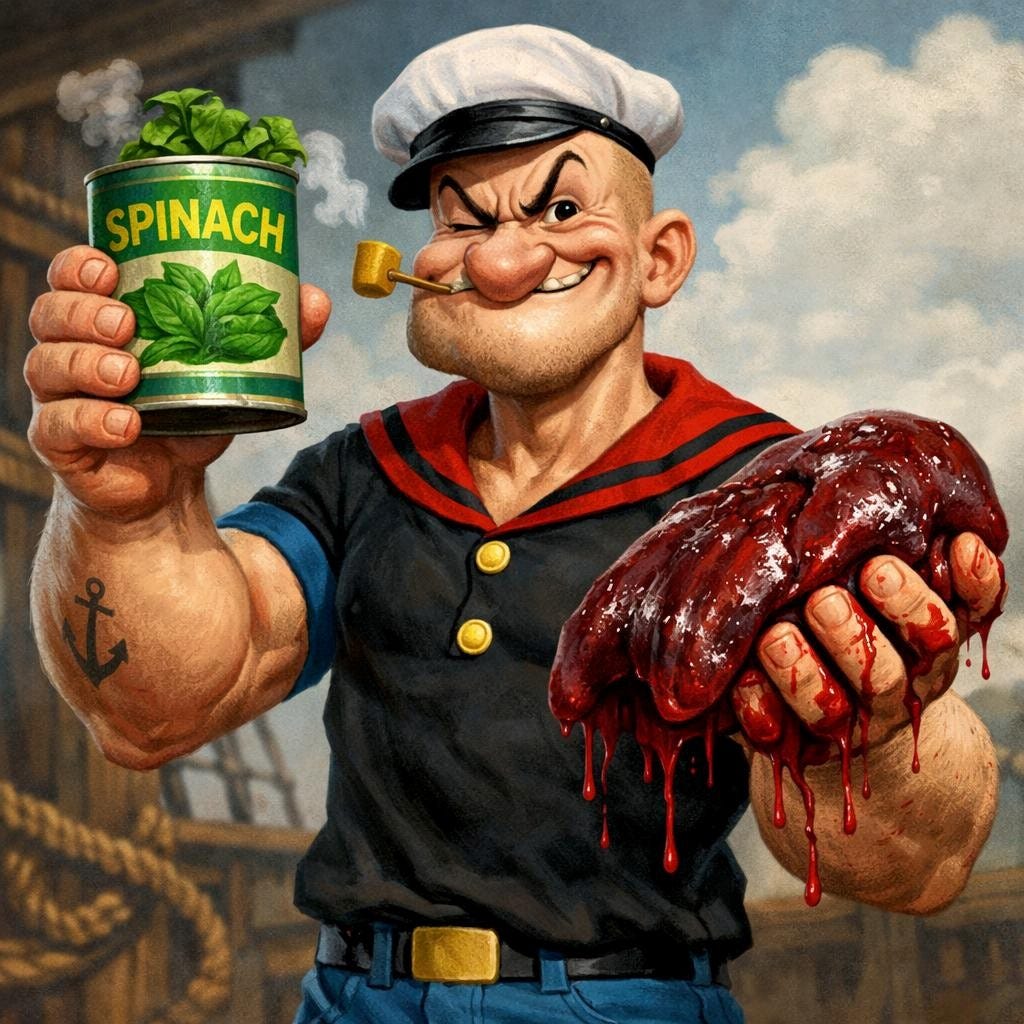
What we refer to as “iron” today is regarded as an essential mineral and nutrient in our diets. It is said to be involved in transporting oxygen, producing red blood cells, and supporting metabolism.
It is even purported to be the very thing that dyes our blood red and carries the breath of life through our bodies. In fact, it is so crucial that we are warned that if we don’t obtain it by either food or supplement, we will develop serious health conditions like iron-deficiency anemia.
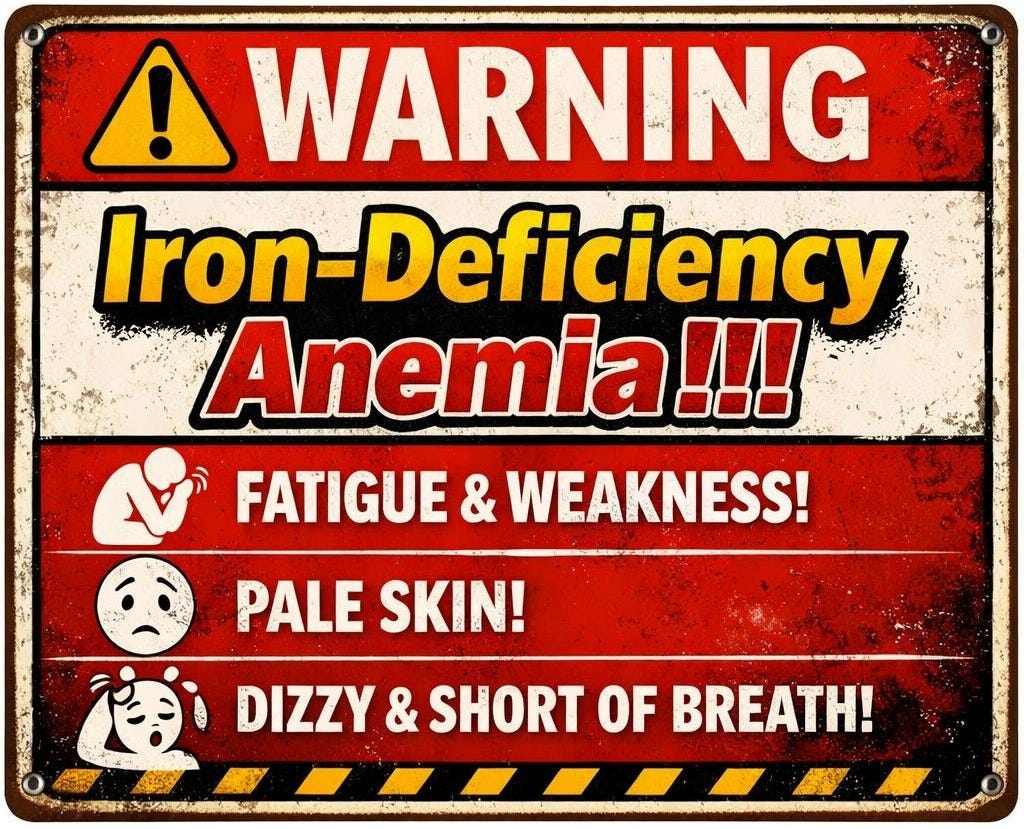
There also seems to be this prevailing belief, even among plant-based doctors, that eating cow’s liver is an effective cure for anemia by providing this “iron” stuff. But where and how did this theory originate?
By the 1890s, the claim that spinach was as valuable as red meat as an iron source had been well-established. However, a slight “correction” to this claim was announced in the 1930s. It appeared that spinach had been given “an overestimated value,” and that a “decimal point error” was discovered in the previous findings. Turns out that spinach wasn’t as jam-packed with iron as originally thought.
OOPS.
But one has to wonder: What took them over 50 years to notice this alleged “error” and to correct it? Not to mention that this “finding” did seem rather oddly timed.
You see, not only was cow’s liver just starting to become heavily promoted as a cure for anemia right then, but spinach was experiencing a HUGE upsurge in consumer interest.
This was thanks in great part to the portrayal of this leafy green vegetable as a source of superhuman strength in the iconic Popeye comic strip.
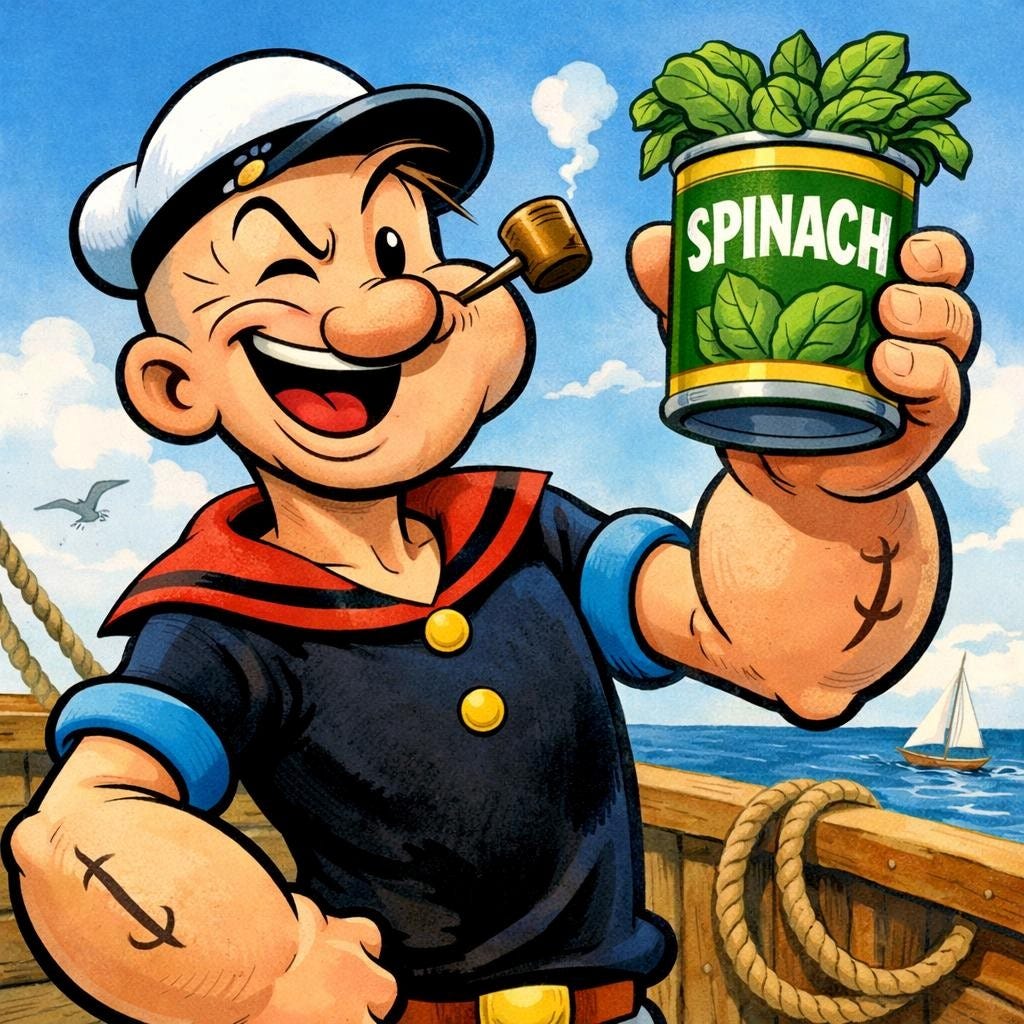
In fact, after the “Popeye the Sailor Man” movie came out in 1933, consumption of spinach in the United States had increased by a whopping 33%!
…But this would soon change. It wouldn’t be long before Popeye’s favorite muscle-food would become demonized with the damning term of “oxalates,” and conflated with the [unrelated] condition of kidney stones.
Meanwhile, a cow’s organ known as “LIVER” would shine and sparkle like the brightest little treasure in the Gold Mine of Anemia.
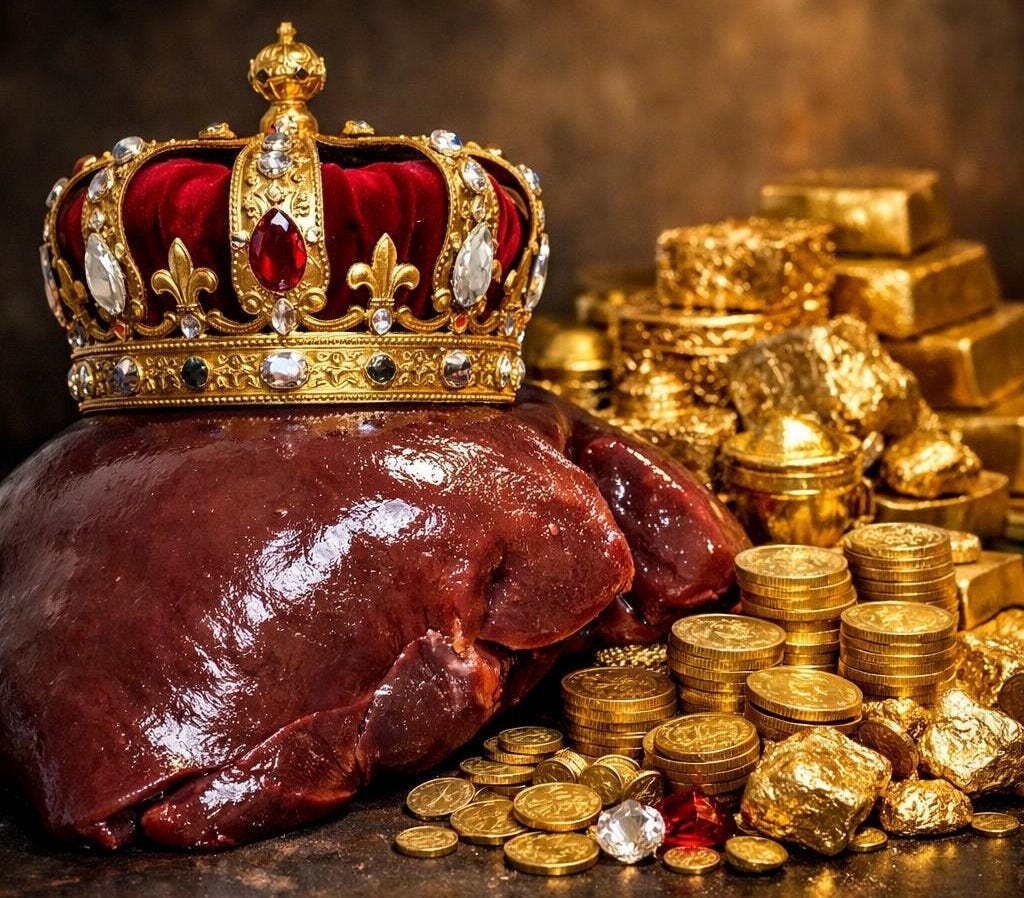
So how did all this Liver vs. Spinach competition start, you may ask?
Well, there once was a vivisectionist/scientist by the name of George Hoyt Whipple. He was interested in the mechanisms of the liver and the array of diseases associated with it.
One day in the late 1920s, he got it in his head to investigate blood loss as the cause of “acute anemia.” And although he was trying to determine what caused this condition in humans, he preferred to use dogs in his research lab to test his theories.
You know, like the beagles that would be used a century later by fellow vivisectionist Fauci in a vaccine development project for the alleged zoonotic disease of Leishmaniasis transmitted by sand flies.

Whipple’s experiments were meant to simulate the conditions of World War I casualties who’d lost blood on the battlefield. This entailed bleeding the dogs out to the brink of death. He then attempted to revive them by force-feeding them the raw livers of cows.
He also chose to feed the dogs not just liver but poisons like arsenic and germanium dioxide, simply out of curiosity to see the results.
In June of 1927, Whipple published his paper of these dog experiments alongside authors F.S. Robscheit-Robbins and C.W. Hooper. Entitled “Simple Experimental Anemia and Liver Extracts,” it appeared in The Society for Experimental Biology and Medicine.
So why was Whipple so fixated on feeding the dog’s raw liver instead of spinach, which was widely known to contain “iron”?
The answer to that would be a very simple one: FINANCIAL INCENTIVE.
It turns out that Whipple had a multiple-year contract with pharmaceutical company Eli Lilly, and would be receiving royalty payments from 1928 until 1956 for his part in creating EXTRACTS FROM LIVER.
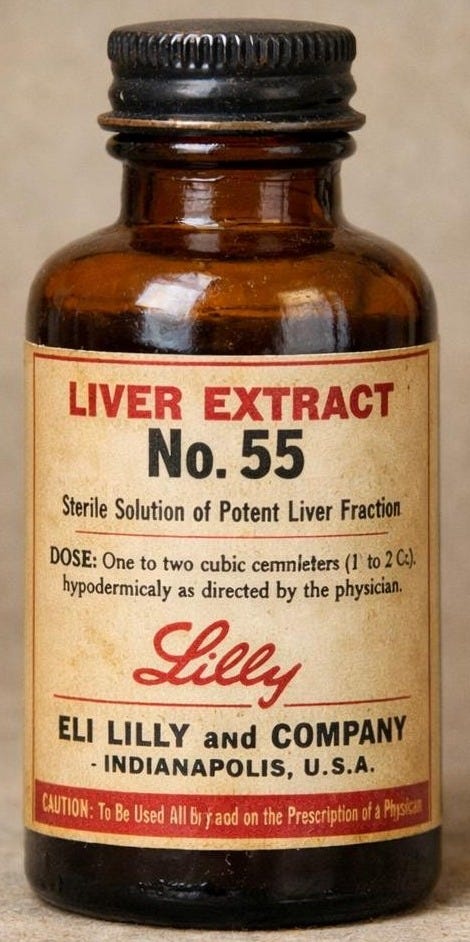
In collaboration with Whipple, Eli Lilly introduced Liver Extract No. 55 supplements in 1930. The targeted clientele would be those diagnosed with anemia.
Obviously, a common garden vegetable like spinach – easily grown in one’s back yard, and purchased for pennies in the produce aisle – was not a suitable candidate nor profit-maker for a drug company.
Now, liver pills were being prescribed for the slightest indication of “iron-poor blood” and business was booming: Despite the economic challenges of the Great Depression, Lilly’s profits soared in 1932.
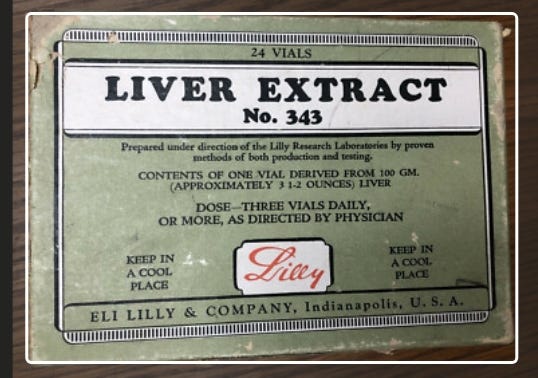
This included the sales tally of Whipple’s Liver Extract No. 55, and Liver Extract No. 343, whipped up by fellow researchers George Minot and William Murphy at the University of Rochester School of Medicine and Dentistry in New York State.
Excited by Whipple’s liver-feeding experiments, Minot and Murphy performed experiments on a small group of humans who’d been diagnosed with pernicious anemia [translation: end-stage anemia]. The experiment involved just 45 patients, and the duration varied widely, from only six weeks to two years.
Many dropped out, rightfully repulsed by the half-a-pound of raw cow’s liver and quarter-of-a-pound of muscle meat they were being required to swallow daily; others simply checked out permanently, succumbing to their untreated illness.
Nonetheless, at the end of two years, Minot and Murphy triumphantly announced they’d discovered a cure for pernicious anemia: a magical elixir located conveniently within the tissue of raw liver.
But there was just one small problem: There was no actual proof they’d found such a cure.
Minot and Murphy even OPENLY ADMITTED this themselves, stating that the patients who appeared to improve “might have taken a turn for the better under other circumstances” anyway.
They also publicly confessed that the special diet of liver might later prove to be “no more advantageous in the treatment of pernicious anaemia than any other nutritional diet.”
Furthermore, because large portions of fruit had also been fed daily to the participants, Minot and Murphy also stated that they were “not entirely sure that the liver was a crucially important factor”(!!!)
The particulars of their experiments were published in the Journal of the American Medical Association in 1926. And in 1928, Eli Lilly introduced Liver Extract 343 for the treatment of pernicious anemia in a joint venture with Minot and Murphy.
Despite their reservations that they’d actually found a “cure,” the two had no problem accepting awards (or money) for their “important work.” In 1934, the Nobel Prize was awarded jointly to George Richards Minot, William Parry Murphy, and George Hoyt Whipple “for their discoveries concerning liver therapy in cases of anaemia.”
They were the first American recipients to ever receive this award in the Nobel Prize’s category of Physiology and/or Medicine.
Meanwhile, with all this liver being manufactured and handed out, spinach was taking a tailspin in popularity. The idea of “toxic oxalates” was being promoted in a fearmongering campaign that equated the consumption of spinach with the development of kidney stones.
But it turned out that these naturally-occurring compounds known as oxalates had nothing to do with causing these stones. In fact, this condition was actually caused by high-dose supplements like Vitamin D and ascorbic acid, and various pharma drugs.
These included diuretics such as Furosemide; anticonvulsant drugs like Topiramate; anti-inflammatory drugs like glucocorticoids; Theophylline, commonly prescribed for respiratory conditions; carbonic anhydrase inhibitors like Topamax and Diamox; aspirin and gout medications; and antacids that contain calcium.
Also, turns out that this “essential nutrient” of iron contained some striking similarities to our old friend, Vitamin B12: The close association with anemia, the constant animal experiments, the special ingredient of raw cow’s liver, the awarding of Nobel Prizes to scientists for its “discovery…” and toxic ingredients that cured no illness.
As for the cow’s liver, there later turned out to be a little problem with something called the heme iron that it contained. As studies published in Cancer Prevention journals have shown, the type of iron found in meat is actually dangerous to humans because it’s so highly absorbable.
When ingested, the excess heme binds to proteins and accumulates in the liver, heart and pancreas. This condition, termed hemochromatosis, causes toxicity and can cause heart problems, diabetes, or liver disease.
This build-up of iron toxicity can also create DNA damage and oxidative stress, and cause carcinogenic N-nitroso compounds to form.
According to several human studies listed on the PubMed National Library of Medicine/National Institute of Health website, excess dietary iron has also been linked to an increased risk of esophageal, stomach, colorectal and breast cancer.
Three studies in particular were: “Heme Iron From Meat and Risk of Adenocarcinoma of the Esophagus and Stomach,” published March 2012 in the European Journal of Cancer Prevention; “Heme Iron From Meat and Risk of Colorectal Cancer,” published February 2011, Cancer Prevention Research, Philadelphia, PubMed NIH 21209396; and “Meat Consumption and Risk of Esophageal and Gastric Cancer in a Large Prospective Study,” published March 2011 in The American Journal of Gastroenterology.
There’s a myriad of plants that provide the type of so-called “iron”/mineral that humans can safely absorb. These include leafy greens and vegetables, legumes, nuts and seeds, grains, fresh or dried fruits, and herbs like parsley, cilantro, and dill weed.
As it turns out, “iron” is just another nebulous term like vitamin or amino acid or protein. It’s used to sell supplements and instill a FEAR of DEFICIENCY that requires frequent trips to the doctor for blood tests.
Just Business As Usual…
Now, what about those Iron Supplements being sold today? Well, they’re still using the same basic ingredients as they were way back in 1831. That was when a French physician by the name of Pierre Blaud developed ferrous sulfate-based pills designed to treat iron-deficiency anemia (or chlorosis, as it was known back then).
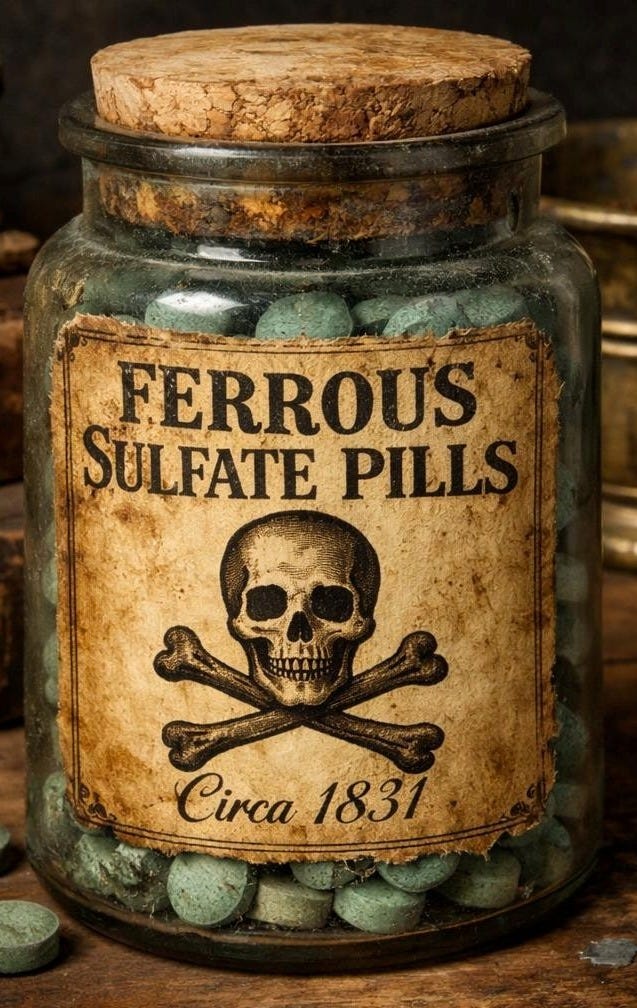
Today, these are still being prescribed. So let’s take a look at all the ingredients used in the iron supplements out on the market now and how “safe” they are.
1) Ferrous sulfate:
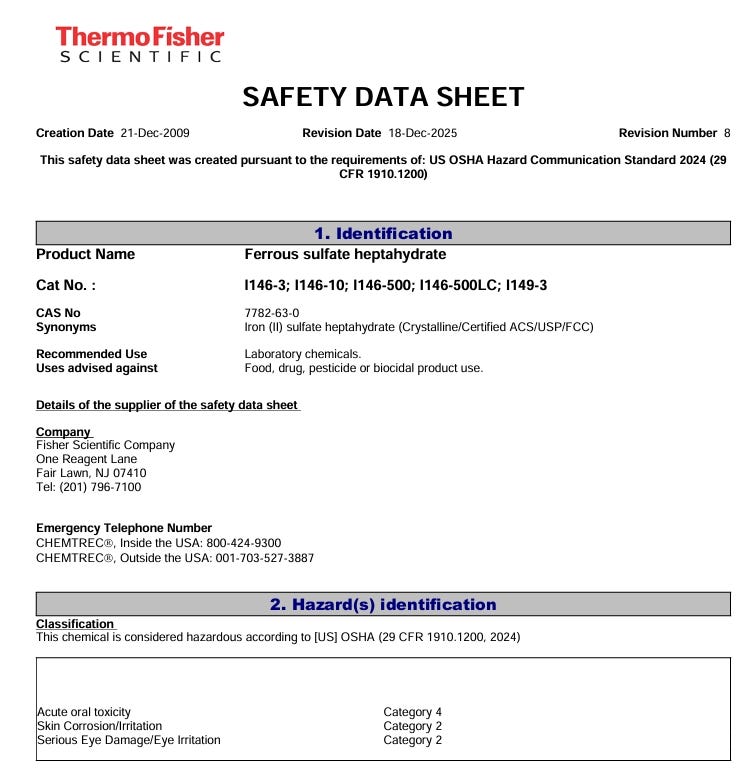
As the most commonly prescribed form, it provides about 20% elemental iron per tablet.
Per Thermo Fisher Scientific’s Material Safety Data Sheet (MSDS), it is harmful if swallowed, causes skin and eye irritation, requires careful handling with protective equipment, and is considered hazardous.
2)Ferrous fumarate:
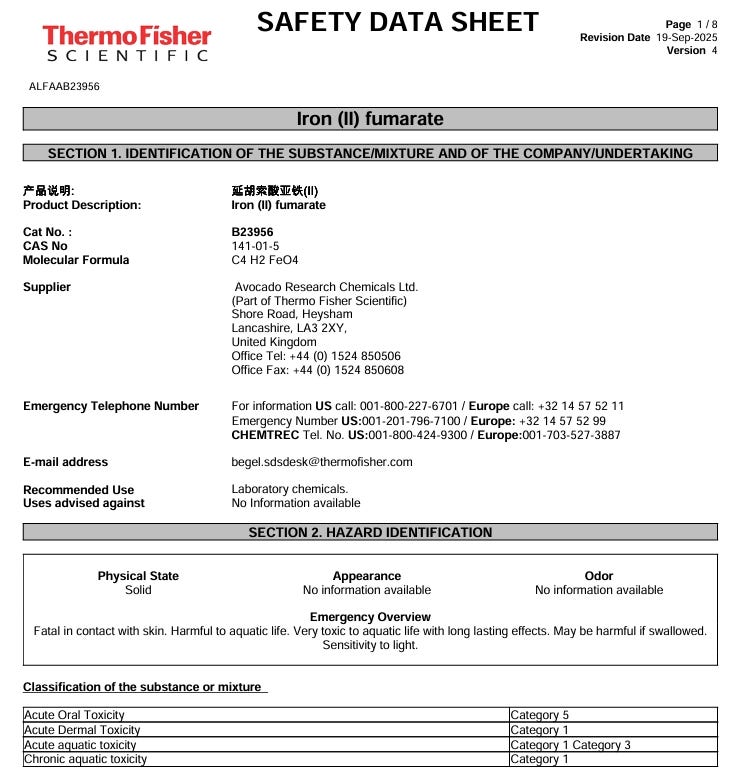
Per MSDS of Thermo Fisher Scientific, fatal in contact with skin; may be harmful if swallowed; and very toxic to aquatic life with long-lasting effects. Acute Oral Toxicity is listed as Category 5; Acute Dermal Toxicity is listed as Category 1; and Acute Aquatic Toxicity is listed as Category 1 & 3.
3) Ferrous bisglycinate:
GHS Classification - warning it may cause serious eye irritation, as well as skin and respiratory.
4) Carbonyl iron:
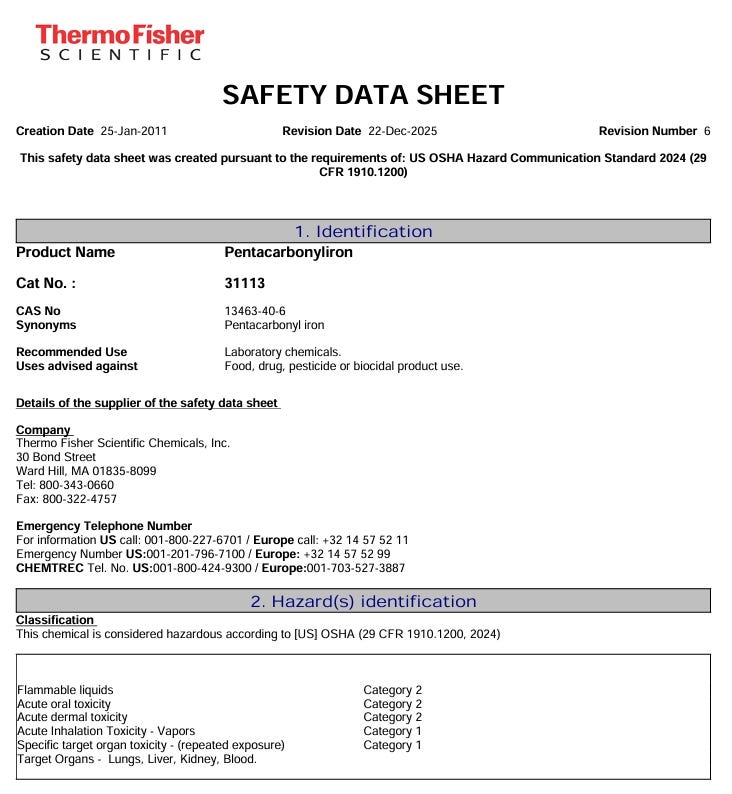
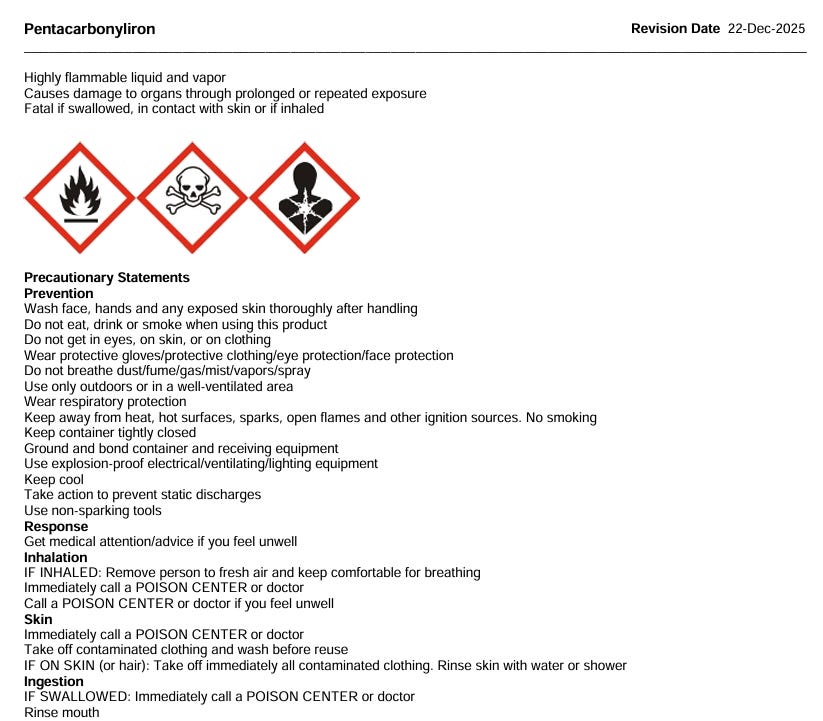
Per MSDS of Thermo Fisher Scientific, this is a highly flammable liquid and vapor; causes damage to organs through prolonged or repeated exposure; fatal if swallowed, in contact with skin or if inhale.
5) Ferric citrate:
Per MSDS of Thermo Fisher Scientific, advises against using it in any food or drug.
FUN STUFF, those iron supplements!
This is the toxic garbage that’s being prescribed for healing “Iron-Deficiency Anemia”!
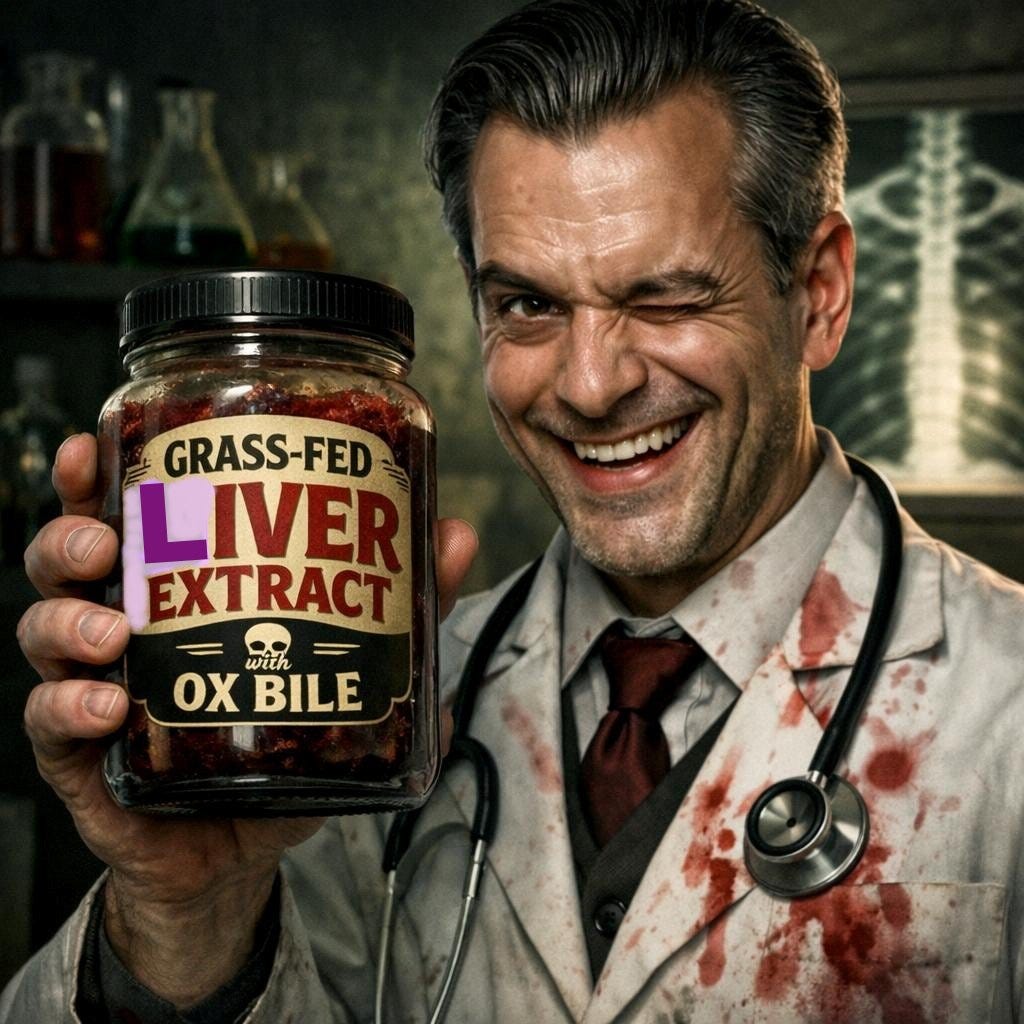
And you can bet those “Liver Extract Pills” are still widely available as well… advertised as “Grass-fed” and some even containing delicious “Ox Bile” — all because the drug companies care so much about your HEALTH.
NOTE: Even mainstream sources will warn you that BILE (especially from another species) “is not meant for human consumption, and eating it can be harmful.” It may also “pose risks to the liver and kidneys due to its high concentration of waste products and potential bacterial contamination.”
++++++++++++++++++++++++++++
Thank you for reading!
And now, if you haven’t already done so, please check out my book, “THE ENIGMA OF VITAMIN B12: NATURE’S ONLY MISTAKE?” to learn the complete sordid history and diabolical marketing of all synthetic supplements, which many have praised as fascinating, life-changing, and fun to read! (Only $14.00 FOR PAPERBACK during promotional period!)
LINK TO BOOK ON AMAZON
Thanks so much for this helpful research! I remember Popeye SO well as a kid growing up in the 1950s. I remember being in the back yard of my house, probably about 6 or 7 years old, and getting into a fight with one of the neighborhood kids, and my little brother came by and I yelled, "Quick, Ed, go get some spinach from Mom so I can beat David," as the two of us were wrestling on the ground. He can back soon with some raw spinach from my mother who was in the kitchen, and tried to stuff it in my mouth as I was fighting the other kid. Don't remember who won the fight, but remember the spinach! There is so much anti-plantfood misinformation circulating, unsurprisingly - like the oxalates narrative - thanks for helping to debunk that as well. We have a lot to learn and even more to unlearn!
I was looking forward to this one, thank you for writing it. Fantastic job exposing more animal experiments and lies, every supplement & vitamin there is seems to have the same history. Very suspicious. Really enjoyed reading, thanks again.