THE IMPOSTER vs Cyanobacteria: How Vitamin B12 was Plagiarized from Nature & Toxified
Merck's Crystal Ball

One of the more popular stories we’re told about Vitamin B12 is that it was once present in the soil. However, due to “modern agricultural practices,” it has since mysteriously vanished. Sometimes, though, there’s still teensy little bits of it clinging to the fruits and vegetables we eat. Sadly, this, too, gets lost down the drain whenever we rinse them off. It simply disintegrates into nothingness… almost like it was never there.
Yep, that’s our boy, B12 – so incredibly fragile and nebulous that he’s the only vitamin/bacteria in the Entire World that cannot be obtained from any plant.
Lucky for us, though, a drug company had the foreknowledge 77 years ago that B12 would one day simply “vanish from the soil.” In preparation for this calamitous event, Merck got busy inventing supplements in their laboratory, and announced their “discovery” in 1948. One has to marvel at their prescience – surely they must have had a crystal ball!

Although “Vitamin B12” is commonly believed to be accessible in the intestines of animals and stored in their liver, it’s said to lurk a bit deeper in humans, hunkering down around the inaccessible colon region. In fact, we’re told by the plant-based doctors and nutritionists that if we’re reluctant to take supplements, we could potentially eat our own feces to reap B12’s essential rewards.
[Cue the flushing sounds]

But the truth is that we require neither supplements nor meat to get all our nutrients, nor do we need to consider eating our own excrement (or anyone else’s). Why? Because B12 was entirely invented in a drug lab. It never existed anywhere in Nature.
It turns out that we don’t need it. We never did.
It’s all been just one enormous, insidiously clever marketing scheme to sell supplements, utilizing a campaign based on “fear of deficiency.” Deliberately engineered to become the Achilles’ Heel of veganism, it has succeeded in stigmatizing the plant-based diet as imperfect and lacking this one essential nutrient.

It’s the Emperor’s New Clothes, with the consumer tricked into believing this substance actually exists.
So in a nutshell, here’s how this diabolical plan to blanket the world with B12 supplements was hatched:
There’s something that actually exists in Nature called CYANOBACTERIA, and this is what the entire premise of cyanocobalamin/B12 was plagiarized from – right down to its prefix of “cyano.”
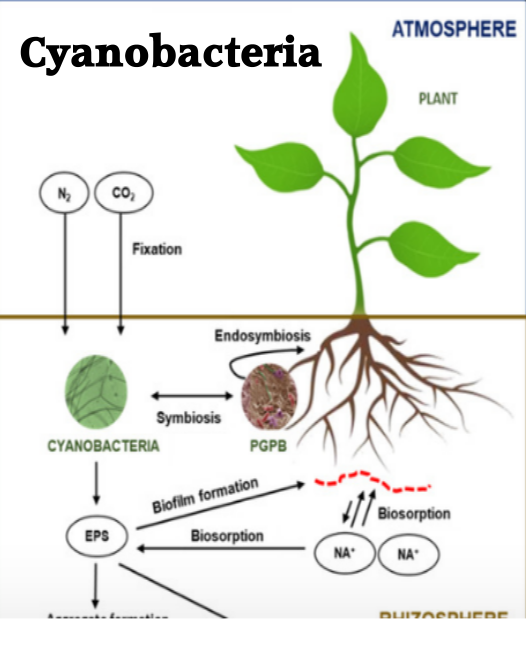
This beneficial bacteria is found ubiquitously in the soil, on rocks and in water. It facilitates the uptake of nutrients and is absorbed in the root nodules of every single edible plant.
This is where the idea came from that seaweeds like nori and dulse, aquatic plants like duckweed, and algae like chlorella might be potential sources of “Vitamin B12,” or so-called “B12 analogues,” when in fact, it’s the CYANOBACTERIA that they contain.
The genera of this bacteria that specifically attaches to LEGUMES is called Rhizobium, and it is so hardy and thriving that it can survive and multiply in soil in the complete absence of vegetation.
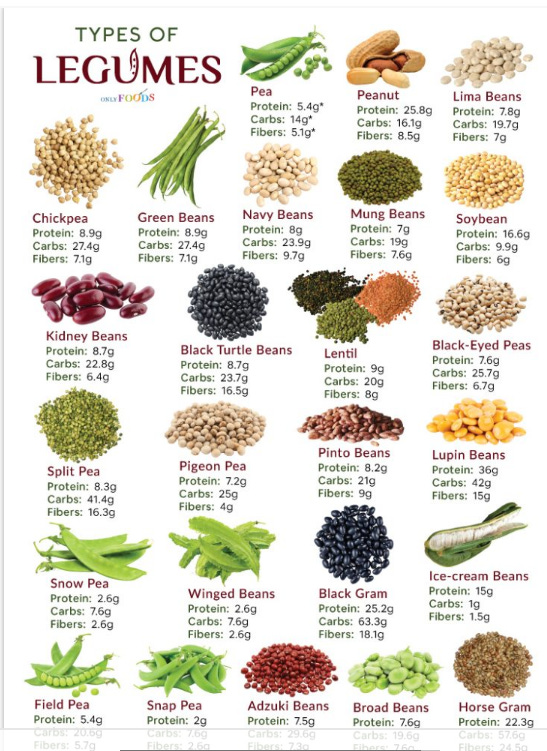
This here CYANOBACTERIA is the authentic O.G. bacteria found abundantly in Nature that the false lab-created substance known as “Vitamin B12” has stolen its entire identity from!
The only thing that cyanobacteria and cyanocobalamin have in common is the prefix of “cyano.” In the case of cyanobacteria, it refers to a greenish-blue color, as in the green pigment of chlorophyll that it contains or the blue-green of algae.
But in B12’s case, it refers to the CYANIDE ingredient that it contains.
So… a beneficial bacteria found abundantly in Nature on the roots of every edible plant vs. GMO bacteria synthesized in a drug lab using toxic chemicals. Not even in the same ballpark.
But the cyanide is not just in the cyanocobalamin as is commonly claimed; it’s in the methylcobalamin version of B12 as well. That’s because the formula for it starts off with the same base, then adds in two additional chemicals: sodium borohydride (considered hazardous by OSHA) and methyl iodide (a suspected human carcinogen, related to methane).
And although it’s not denied that B12 contains a cyanide molecule, it’s constantly downplayed as being “such a small amount that it’s really not anything to worry about.”
TALK ABOUT DRINKING THE FLAVOR AID!!!
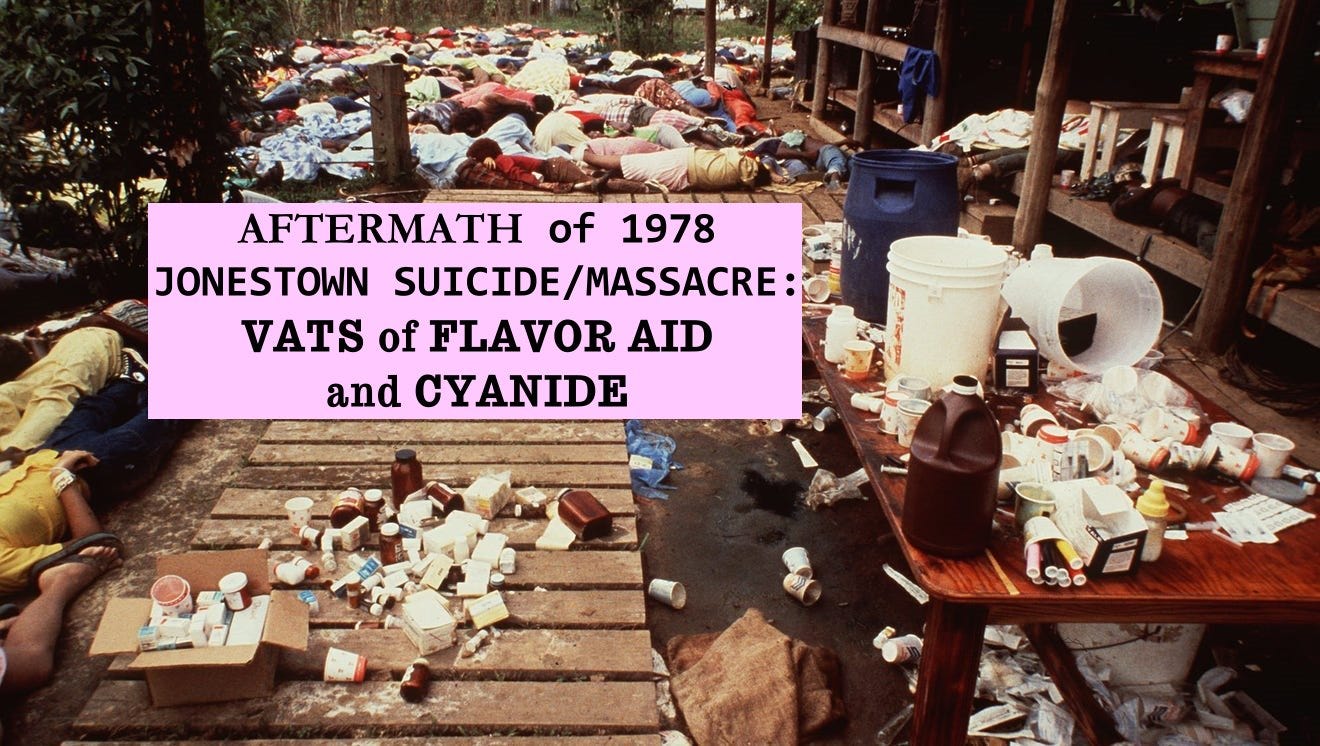
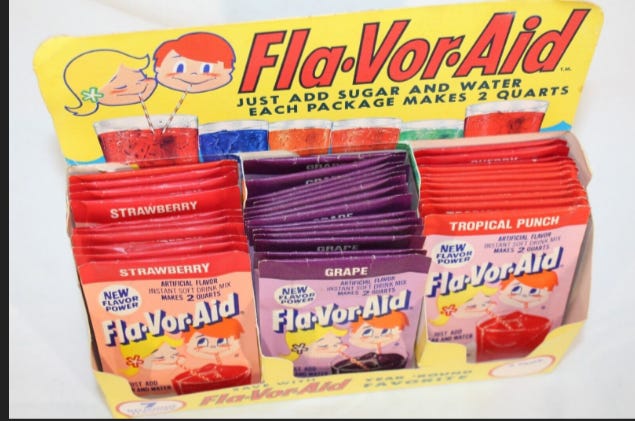
>HISTORICAL FACTOID: Kool-Aid has been widely and erroneously credited as the drink used in Jonestown, but it was actually FLAVOR AID…
as in ”Don’t Drink the Flavor Aid.”<

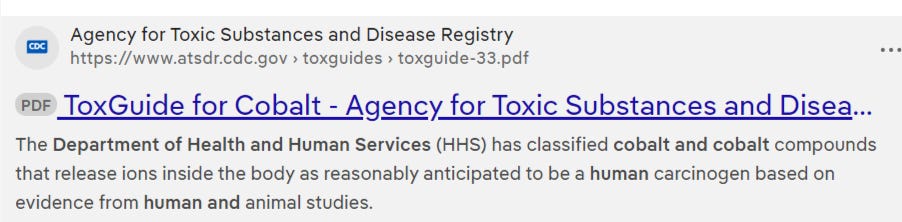
B12 also happens to be the ONLY ingestible product that contains cobalt metal, which is used in metallic items like batteries, magnets, alloys and ions. This heavy metal is listed as a human carcinogen in the CDC’s 2024 ToxGuide, classified as such by the Department of Health and Human Services. The report also considers cobalt as an ELEMENT which cannot be metabolized, meaning it WINDS UP IN THE LIVER if ingested.
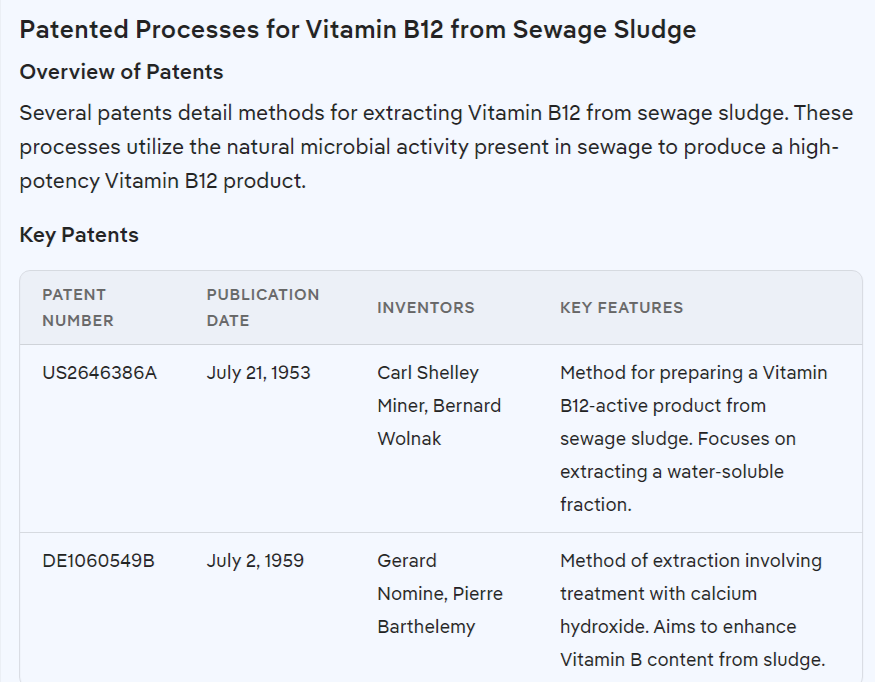
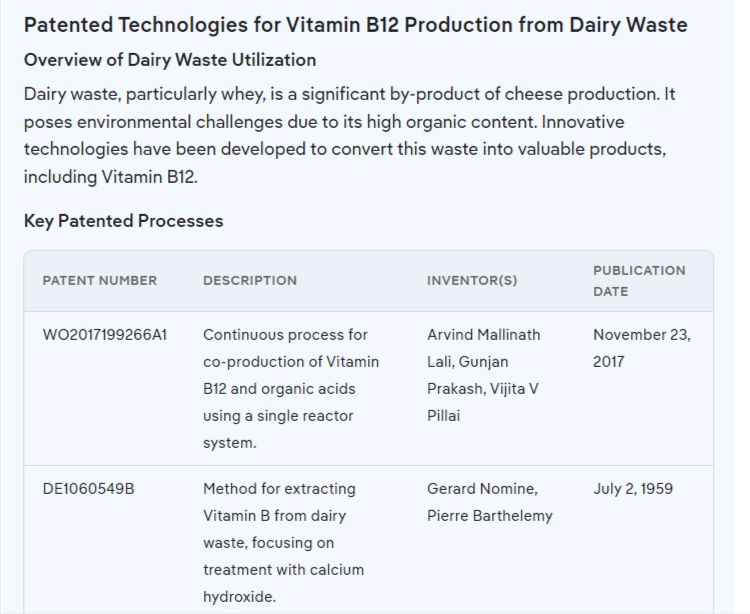
All forms of cobalamin/B12 also contain various lab-created bacteria. Some are collected from cesspools of dairy waste, while others are collected from feces in sewage sludge, both patented processes for B12 manufacturing.

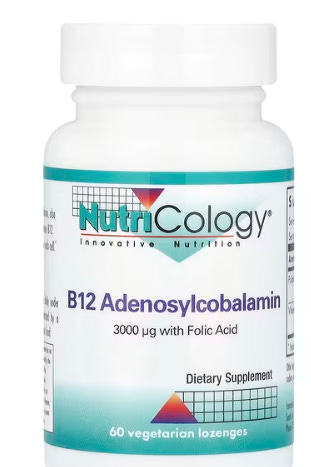
The adenosylcobalamin form of B12 specifically uses e coli bacteria, commonly found in raw meat that’s been contaminated with fecal matter, stored in unsanitary conditions, or hasn’t been refrigerated properly.
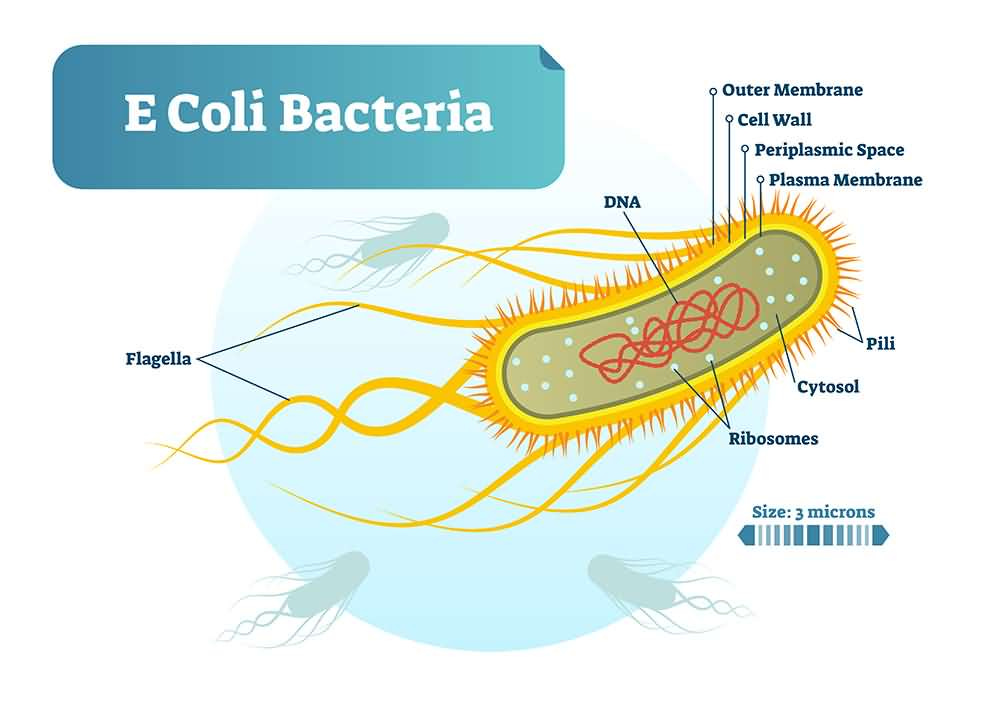
The concept of cyanobacteria being found in dirt seems to be the thought process behind Merck’s choosing to use a compost of SOIL and COW MANURE in its first formula of “Vitamin B12.” Also included was a “meat extract” made from raw cow’s liver, to which acetone and corn liquor were added. The witches’ brew was then treated with activated charcoal, commonly prescribed for accidental poisoning, chosen for its ability to bind to toxins.
This ingredient of charcoal could be considered a bit more than just fortuitous, as the toxic combination of cobalt and cyanide would later be discovered “hiding within” the formula. It was then announced that cobalt was the “chemical element” of B12, with the sixth coordination position of its atom being occupied by the cyanide.
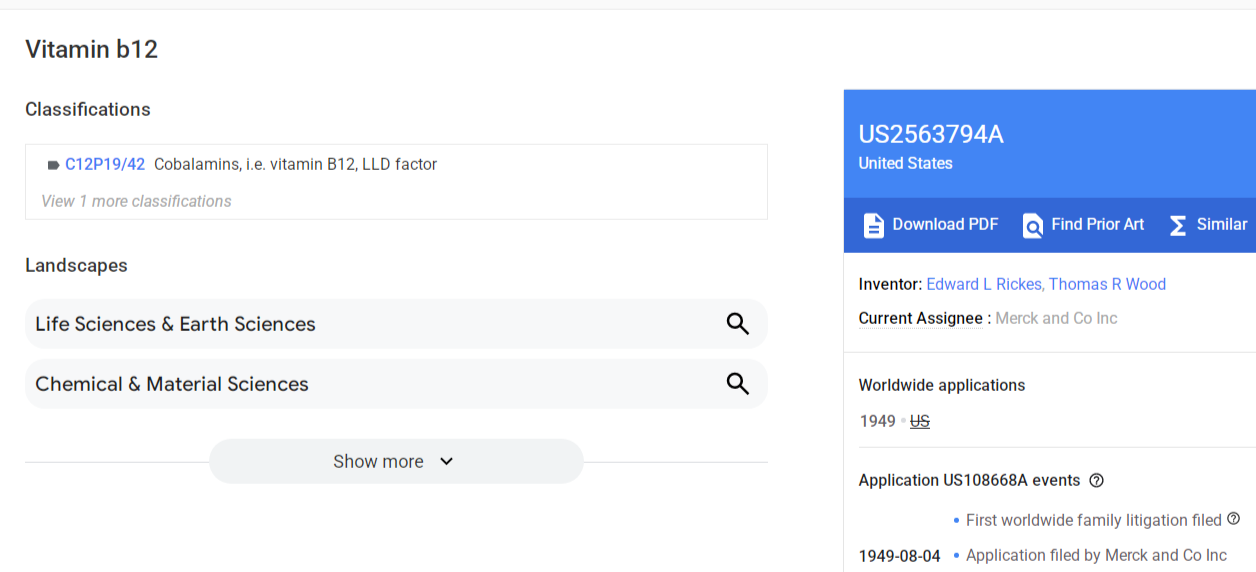
This first formula of B12 was detailed in Patent no. US2563794A and referred to throughout as an “invention.” Classified under “C12P19/42, Cobalamins, i.e. vitamin B12, LLD factor,” it was applied for on August 4, 1949 and granted on August 7, 1951.
With the inclusion of raw cow’s liver in the formula, the idea was established that only meat could contain this essential bacteria/vitamin, and therefore not available in any plant. Particularly organ meats like liver then became known as a “rich source” of B12.
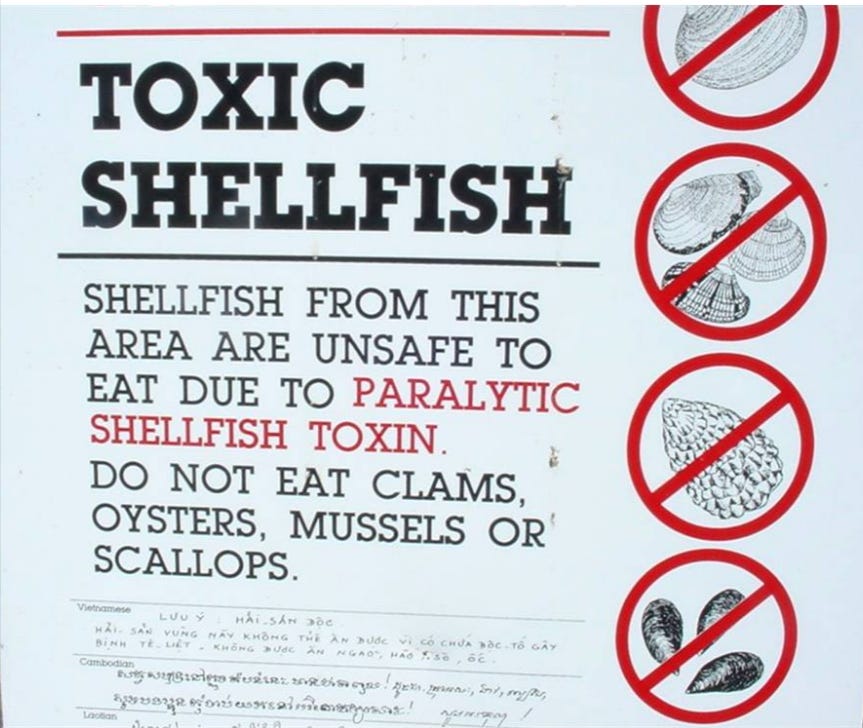
It was also claimed that eating raw cow’s liver cured “pernicious anemia” – although this so-called “rare” condition was actually just the end-stages of anemia, and the first known case was likely a misdiagnosed shellfish poisoning.
This established the idea that those who didn’t eat meat were prone to developing anemia, as they would then lack what was “essential for maintaining healthy nerve cells and supporting red blood cell production.”
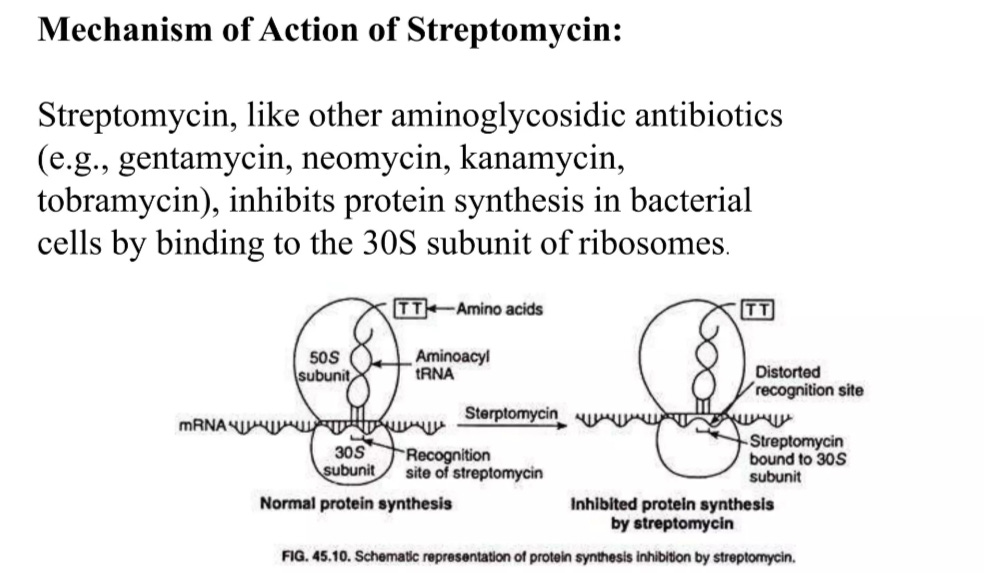
It should also be noted that the ingredients used in the first formula of B12/cobalamin just so happened to be almost identical to those used to make Streptomycin, one of Merck’s most potent antibiotic drugs developed at the same time. Interesting that one was patented as a vitamin and the other patented as a drug. This antibiotic is still widely used today, primarily in vaccines, and has a myriad of very troubling side effects.
Oddly enough, not one single paper was published on B12 during the entire six years Merck scientists allegedly spent working on this so-called “anti-pernicious anemia factor.” HOWEVER, 22 papers were published on antibiotics during that same timeframe.

^^Smart Monkey knows what 2+2 equals^^
+++++++++++++++++++++++++++
So it turns out that this “Vitamin B12” is just a nasty little Imposter as well as a thief. And if cyanobacteria wasn’t so busy providing essential beneficial bacteria to all the edible plants like legumes and vegetables, it might consider suing B12 for identity theft and misrepresentation. It would certainly have an airtight case!
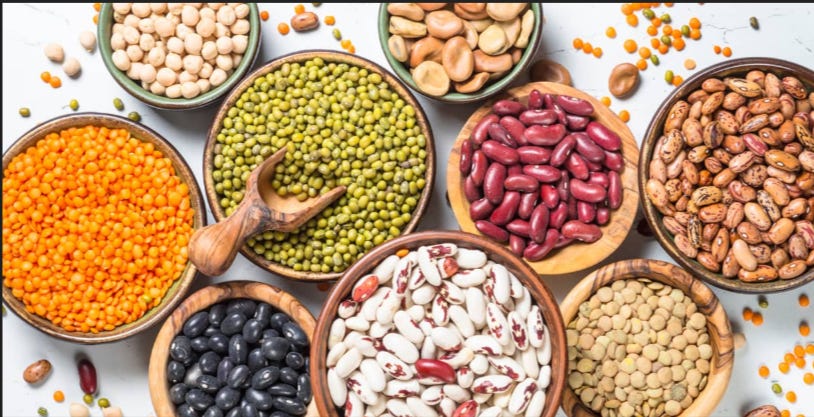
So go ahead, toss that bottle of B12 in the garbage where it belongs. The good news is that there are nearly 23,000 species of legumes to choose from – a whole world of lentils, peas and beans awaits you!

Please be sure to pick up a copy of “THE ENIGMA OF VITAMIN B12: NATURE’S ONLY MISTAKE?” by Anthea V. Hayes to learn more about the fascinating and sordid history of B12 (and other supplements like Vitamin D and creatine). 300 pages/27 chapters
Amazon Link for Book